
Intelligence for Pharma R&D Leaders
White papers, articles, events, and video content from the ZONTAL knowledge base. Expert perspectives on scientific evidence infrastructure for pharma R&D.
All Resources
Articles, white papers, webinars, videos, data sheets, publications, and presentations from the ZONTAL knowledge base.
resources
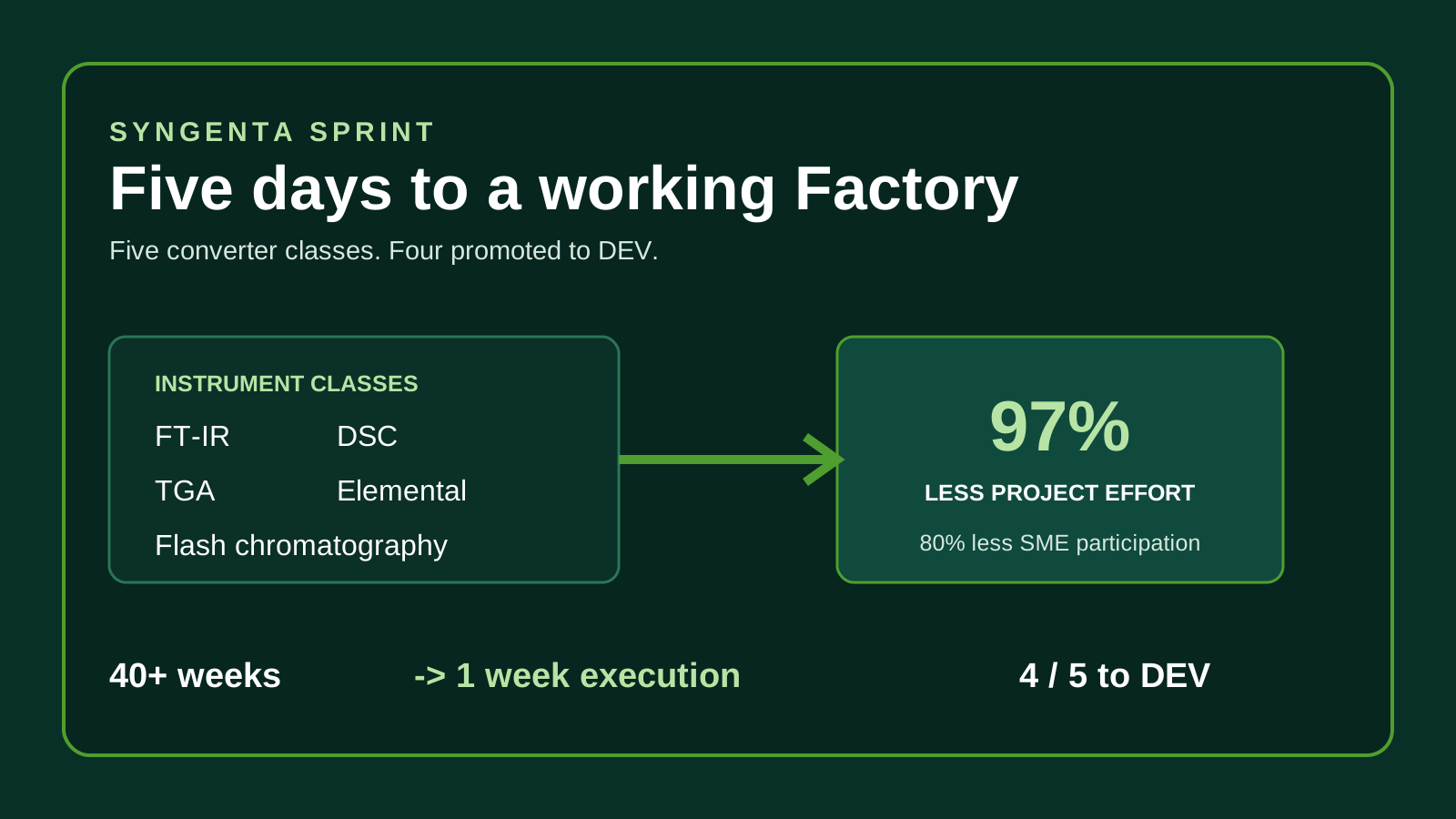
Syngenta + ZONTAL Converter Factory
How Syngenta and ZONTAL reduced converter development by 97% in a 5-day pilot and delivered five Release Candidates to DEV within 1 week.
Read more →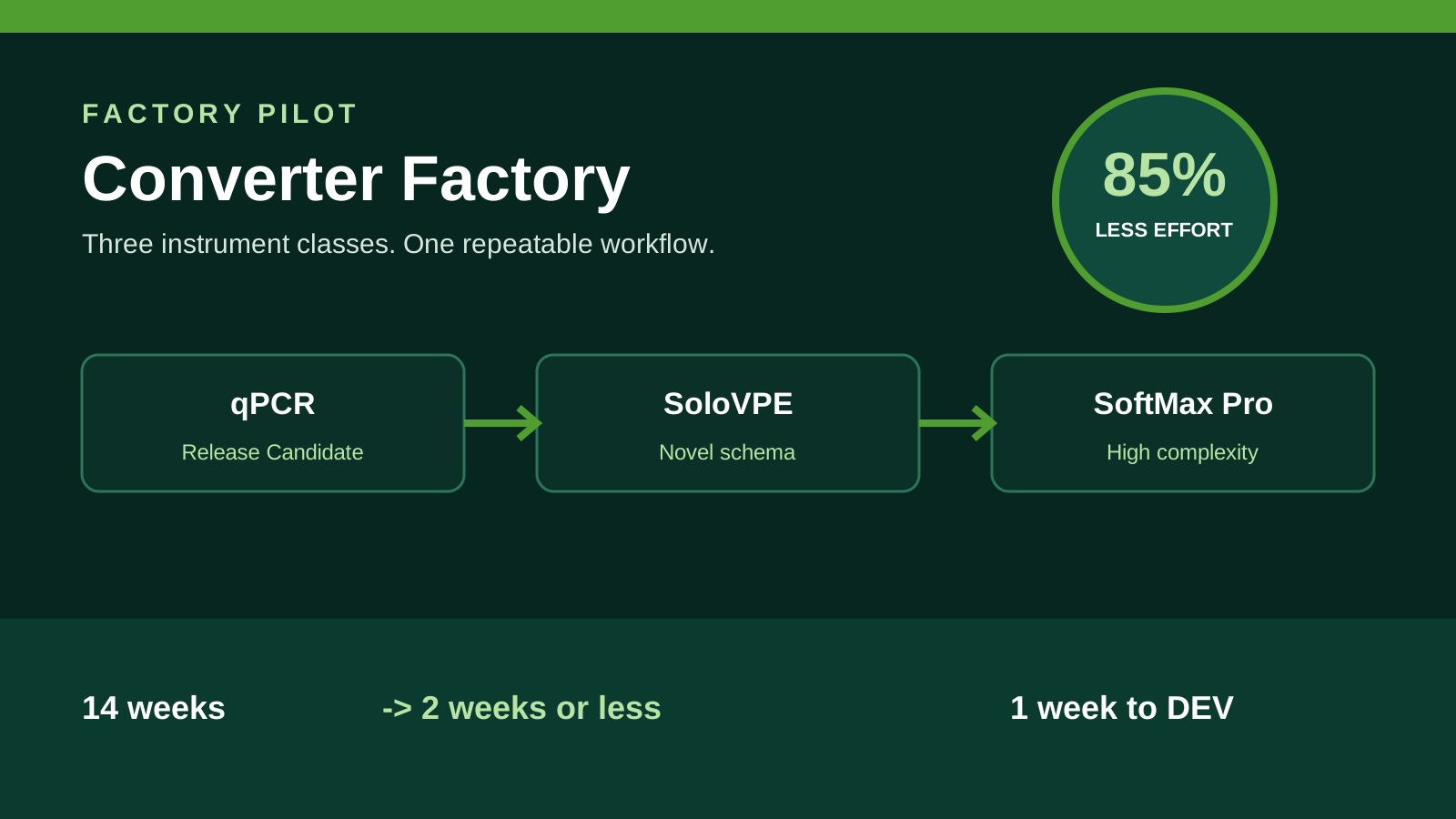
Top 10 Global Pharmaceutical Company Converter Factory
A workshop case study showing 85% faster converter development, 75% less upstream effort, and Release Candidate output in under two weeks.
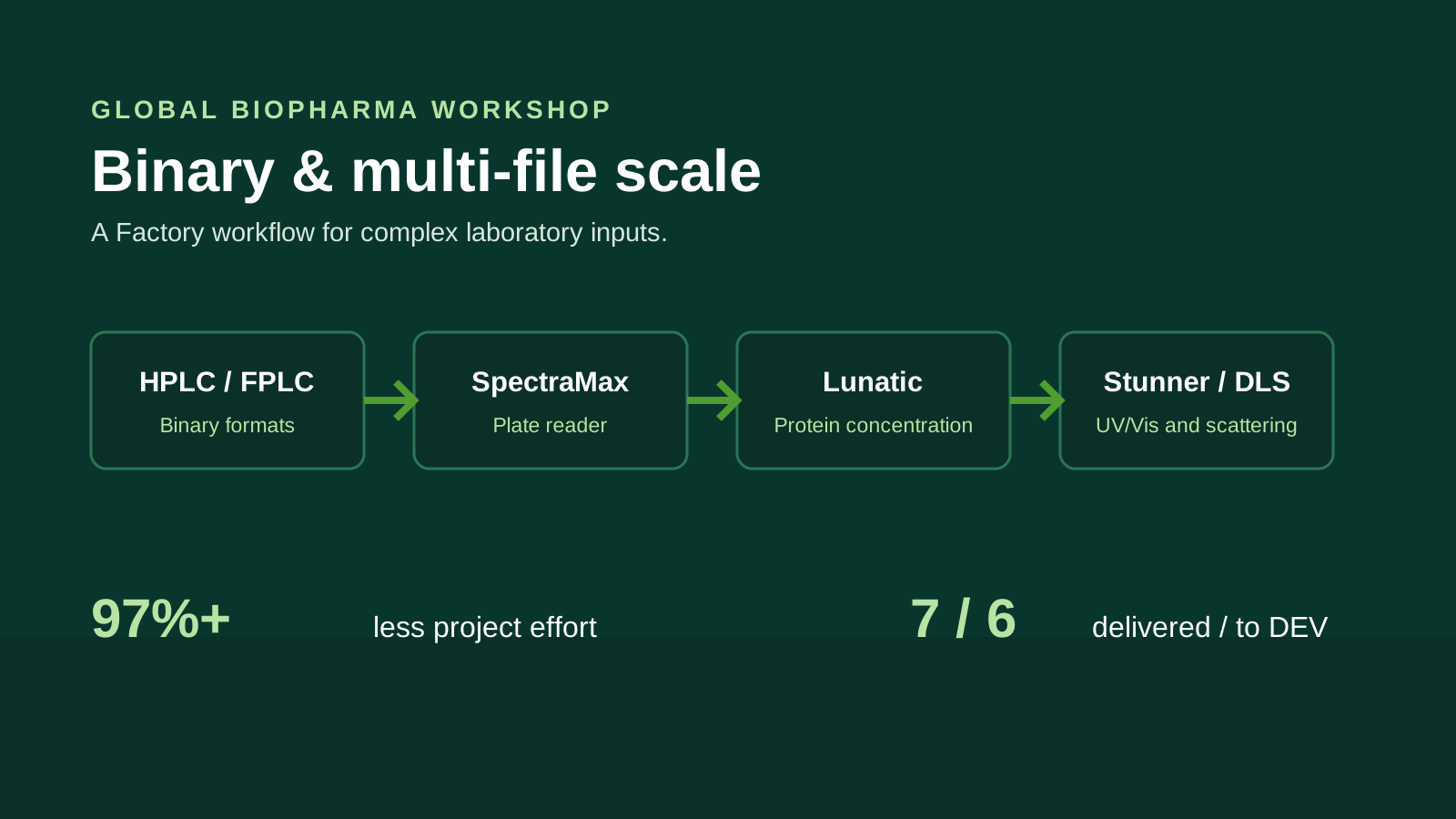
Global Biopharma Factory Workshop
A case study showing a 97%+ reduction in project effort, seven converters delivered, and six Release Candidates ready for DEV.
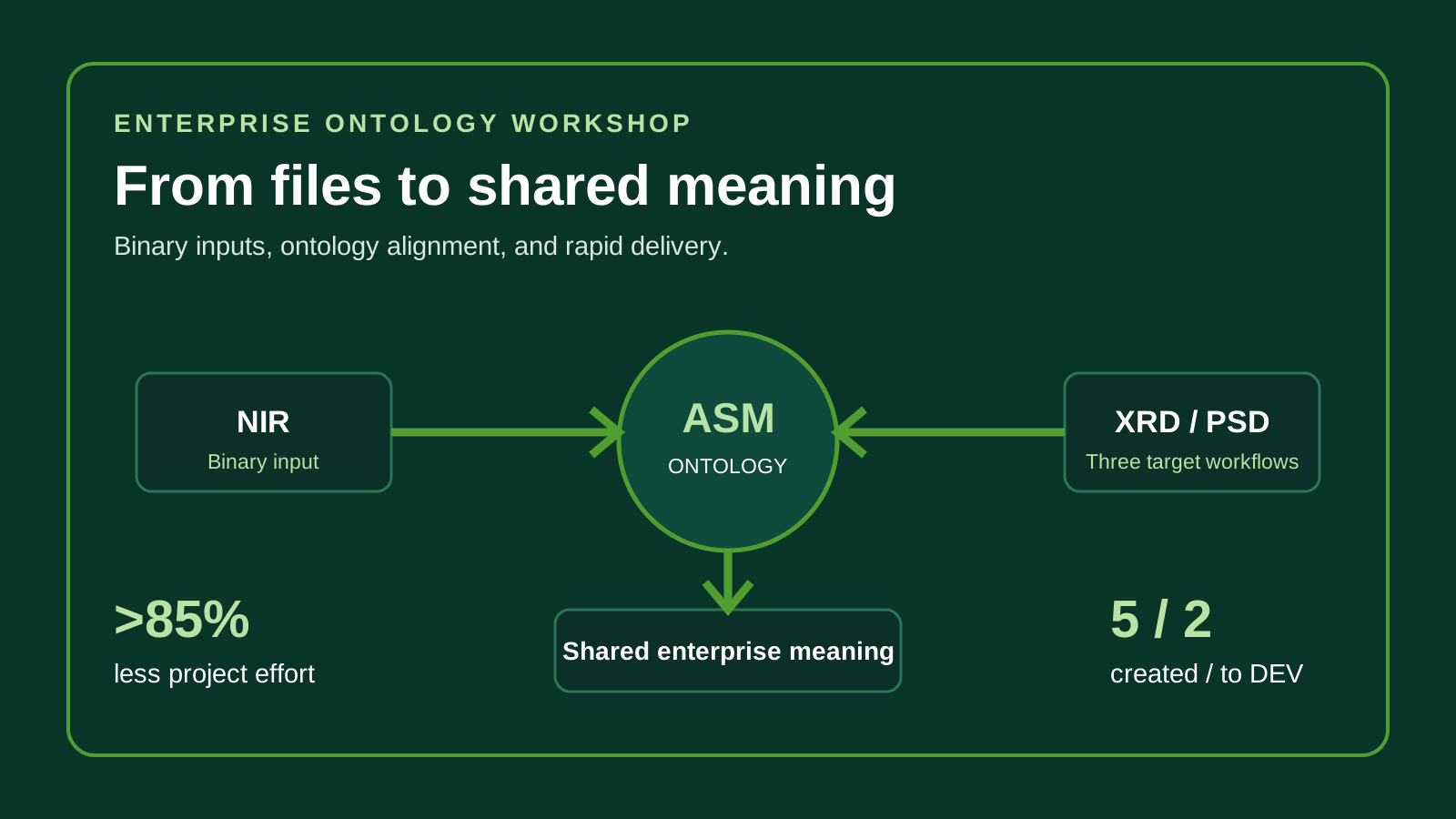
From 40+ Weeks to 1: Converter Factory
How a global pharmaceutical organization reduced converter effort by more than 85%, created five file converters, and deployed two to DEV.
The Data Behind the Shift
These are the industry data points shaping pharma R&D strategy.
Merck: 30+ programs in Phase 3 — scaled R&D without proportional headcount growth.
Pfizer: 32 Phase 3 programs, ~20 pivotal starts planned for 2026, $500M R&D savings target.
Sanofi: 80 clinical-stage projects, 34 in Phase 3/registration. $20B planned investment in manufacturing capacity.
Eli Lilly: reached millions more patients, driven by portfolio of growth medicines. $50B+ revenue target by 2028 with pipeline spanning Alzheimer's, oncology, and immunology.
AstraZeneca: 196 pipeline projects, 19 new molecular entities in late-stage. 20 new medicines expected by 2030, more than half first-in-class.
BMS: 10+ new product launch opportunities by 2030, with "growth portfolio" performance expected to offset legacy declines.
Roche: 100+ clinical-stage assets and 12 late-stage studies replacing biosimilar losses from Avastin, Herceptin, and Rituxan with next-generation personalized medicine.
AbbVie: $100B commitment to U.S. R&D and capital investment over the next decade. Diversified growth platform across immunology, neuroscience, oncology.
Regeneron: four blockbuster medicines driving growth, with "exciting data read-outs and potential approvals in 2026 across a broad range of diseases."
Gilead: 2026 framed as a launch year — two new cancer therapies plus an additional HIV treatment option.
Teva: "Pivot to Growth" strategy delivering three consecutive years of growth, with two-thirds of transformation savings realized by 2026.
By 2030, patents for 190 drugs are likely to expire, putting $236 billion in sales at risk.
77% of labs expect AI within 2 years; only 11% have reached a fully predictive state.
The average pharma company holds 180 days of finished goods inventory. Top performers operate at 100 days.
Control towers deliver 30% inventory-day reduction, 50% faster delivery, and 90% fewer emergency orders.
Biopharma supply chain digitization delivers 50% better risk-sensing, 50% enhanced yields, 48% warehouse efficiency.
74% of FDA Complete Response Letters involved quality/manufacturing issues — 150 out of 202 applications.
Quality problems remain one of the most common reasons for drug shortages. 40% of shortages are demand-driven.
Fewer than 44% of life science supply chains use technology to calculate scenarios.
63% of life sciences leaders rank AI as their top investment area — but lack the infrastructure to act on it.
Novartis: $23B U.S. investment program scaling radioligand therapy manufacturing across multiple new sites.
GSK: $30B U.S. investment program including a new biologics flex factory commencing construction in 2026, expanded AI/digital capabilities, and multiple expected approvals.
Novo Nordisk: demand will outgrow what can be produced — by the company and the competition.
Johnson & Johnson: $55 billion in U.S. manufacturing and technology investment over the next four years.
Continue Your Research
Build Your Data Foundation
See how ZONTAL’s ICAD platform creates the infrastructure for pharma’s next operating model.